Insulation
Insulation gets sold as a winter thing. In the Gulf South, it does more work in July than it ever does in January. Get the basics right and it pays you back on comfort as much as on the bill.
Ready to bring in a pro?
Search local, reviewed Insulation contractors near you, or see every category. These are unaffiliated search results, not a vetted recommendation.
R-value is not the whole story
A bag of insulation has an R-value printed on it, but the R-value only means something if the material is installed correctly. Compressed batts, gaps around wiring and framing, and insulation that never actually reaches the full depth of the joist bay all quietly cut the real performance of the material, sometimes by half or more.
Blown-in insulation avoids a lot of the installation-quality problems that batts run into, especially in irregular attic spaces. It is usually the better call for a retrofit unless there is a specific reason to use batts.
Attics in a hot, humid climate
A Gulf South attic in July can run well past 130 degrees. Insulation at the attic floor slows how much of that heat makes it into the living space below, which matters more here than the winter heat-loss story most insulation marketing leans on.
Humidity adds a second layer to the decision. Vapor drive in this climate runs differently than it does up north, so ventilation strategy and vapor control need to match the local climate, not a generic national recommendation.
How much is enough
Past a certain point, adding more insulation runs into diminishing returns. The bigger opportunity in most homes I look at is not thickness, it is where insulation is missing entirely: kneewalls, attic hatches, dropped soffits, and the transitions where the attic floor meets exterior walls.
- Check the easy-to-miss spots before adding depth to areas that already meet code.
- Air sealing before insulating matters more than most people expect, see the air sealing page.
- A home energy audit will tell you exactly where the gaps are instead of guessing.
Related content
 Video
Video Properly Foamed Ducts & Floors | Real Results: Closed‑Cell Spray Foam in a Crawlspace
Watch the video →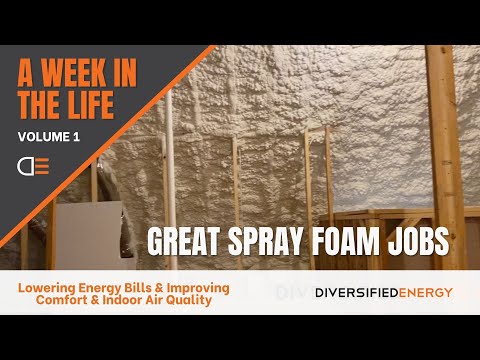 Video
Video A Week In The Life - Volume 1 - Great Spray Foam Insulation Jobs
Watch the video → Video
Video The 99 Cent Spray Foam Scare - DE Fixes Another Flopped Attic Foam Project
Watch the video → Video
Video Spray foaming Ductwork Under House Crawlspaces
Watch the video → Video
Video FORTIFIED Foam Roof: What Your Roofer Doesn't Want You To Know 😉
Watch the video → Video
Video Why You Should Consider Enclosing The Crawlspace In Your Raised Home
Watch the video → Video
Video Spray Foam Insulation - Using A Felt Wall To Reduce Spray Foam Installation Cost
Watch the video → Video
Video Installing Spray Foam Insulation In Your Attic & Dealing With HVAC Ductwork
Watch the video → Video
Video Closed Cell Foam Insulation Installed Under A Raised Building Q & A
Watch the video → Video
Video Closed-Cell Spray Polyurethane Foam In Subfloor
Watch the video → Video
Video Fixing A Competitors Terrible Open-Cell Spray Polyurethane Foam Insulation Job
Watch the video → Video
Video What Is R-Value?
Watch the video → Video
Video Diversified Energy Installs Premium Open & Closed Cell Spray Polyurethane Insulation
Watch the video → Video
Video Diversified Energy Installs Premium Cellulose Insulation
Watch the video → Video
Video What Is Radiant Barrier?
Watch the video → Video
Video Diversified Energy Installs Open Cell Spray Foam Insulation
Watch the video → Video
Video Diversified Energy Installs Premium Blown-in Fiberglass Insulation
Watch the video → Video
Video The Difference Between Open Cell & Closed Cell Foam
Watch the video →Have a question this didn't answer?
Check the FAQ or send a message.